3d Rendering Voxel Art Love: A Pixelated Heart for Modern Design
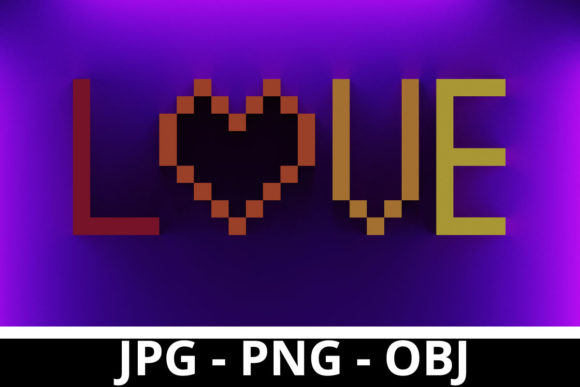
There’s a certain nostalgia that hits you when you see a perfectly formed heart made of cubes. It’s a blend of 8-bit charm and sophisticated 3D rendering that feels both familiar and entirely new. This is the core of 3d Rendering Voxel Art Love, a visual style that transforms a simple, romantic concept into a textured, tangible digital object. It’s not just a flat graphic; it’s a rendered scene where light catches the edges of individual pixels, casting soft shadows and creating a sense of depth you can almost feel. For designers, creators, and entrepreneurs, this style offers a unique bridge between playful retro aesthetics and contemporary, professional polish.
The Visual Allure: More Than Just a Pixelated Heart
What makes this particular style so compelling? It’s the marriage of two powerful visual languages. Voxel art, the three-dimensional cousin of pixel art, gives the love heart a blocky, almost tactile structure. Then, the magic of 3d rendering comes in. Instead of a flat, matte surface, the heart is bathed in light. Some cubes might have a shiny, reflective quality, while others are softly diffused. This creates a dynamic illustration that feels alive and intentional. It’s a creative, decorative element that stands out precisely because it doesn’t look like every other generic love symbol. The result is a graphic that feels both handcrafted and digitally precise, making it incredibly versatile for a wide range of projects.
Practical Applications for Branding and Beyond
So, where can you actually use this style? The applications are surprisingly broad, moving far beyond a simple Valentine’s Day card. Think of it as a powerful design asset for your visual toolkit.
- Brand Identity & Logo Design: For businesses in tech, gaming, creative services, or even modern romance, a voxel love heart can become a memorable logo mark or icon. It conveys innovation, warmth, and a forward-thinking attitude.
- Website & Blog Graphics: Use it as a hero image background, a decorative element in a sidebar, or a featured graphic for a blog post about digital relationships or creative passion. It instantly elevates a web design with personality.
- Social Media Content: This style is gold for engagement. Use it in Instagram stories, as a profile picture frame, or as the central image for a campaign about love, community, or innovation. Its eye-catching, shiny quality stops the scroll.
- Packaging & Merchandise: Imagine this 3d illustration on product packaging for a tech gadget, a special edition sticker, or a t-shirt design. It gives physical products a unique, digital-native aesthetic that appeals to a modern audience.
- Digital Products & Marketing Assets: Incorporate the rendered heart into email headers, digital invitations, or as a key visual in a presentation. It adds a layer of professional presentation and creative flair that standard stock imagery can’t match.
Integrating the Style into Your Creative Workflow
Working with a style like 3d Rendering Voxel Art Love is about more than just dropping an image into your project. It’s about intentional integration. First, consider the mood of your entire design. This style pairs well with clean, modern sans serif fonts for a balanced look, or with playful scripts for a more whimsical feel. The key is contrast—let the detailed, textured heart be the focal point, supported by simpler typography.
When you source your assets, look for a ZIP folder that contains multiple file formats. A JPG is great for quick web use, but a PNG with a transparent background is essential for layering over other elements. For the most creative control, an OBJ file is a game-changer. This 3D model file allows you to import the voxel heart directly into your own 3D software, adjust the lighting, change the camera angle, and even re-render it to match your specific project’s color palette and lighting scheme perfectly. This level of control is what separates a generic design from a truly custom one.
Elevating Your Projects with Thoughtful Execution
The ultimate goal of using any premium design asset is to improve your work’s effectiveness. A well-chosen graphic like this can significantly boost brand recognition. People remember distinctive visuals. It enhances readability and engagement when used as an illustrative element that breaks up text and guides the viewer’s eye. However, it’s crucial to maintain visual consistency. Don’t use a hyper-detailed 3D heart in one place and a flat, simple icon in another without a clear design system tying them together.
Before finalizing any project, always test your font pairings and layout. Does the heart overpower your headline? Is the overall composition balanced? Also, pay close attention to the licensing of any commercial font or graphic you use. Ensure you have the proper rights for your intended use, whether it’s for a client’s logo, merchandise for sale, or a digital product you plan to distribute. The best designs are built on a foundation of both creativity and professional diligence.
In a landscape saturated with flat design and predictable imagery, the textured, illuminated world of voxel art offers a fresh perspective. It’s a style that speaks to both our nostalgia for early digital art and our appreciation for sophisticated modern rendering. By incorporating it thoughtfully, you can create designs that don’t just communicate a message but also spark a genuine connection with your audience.